
Menu


"Nurturing" knowledge in highland areas
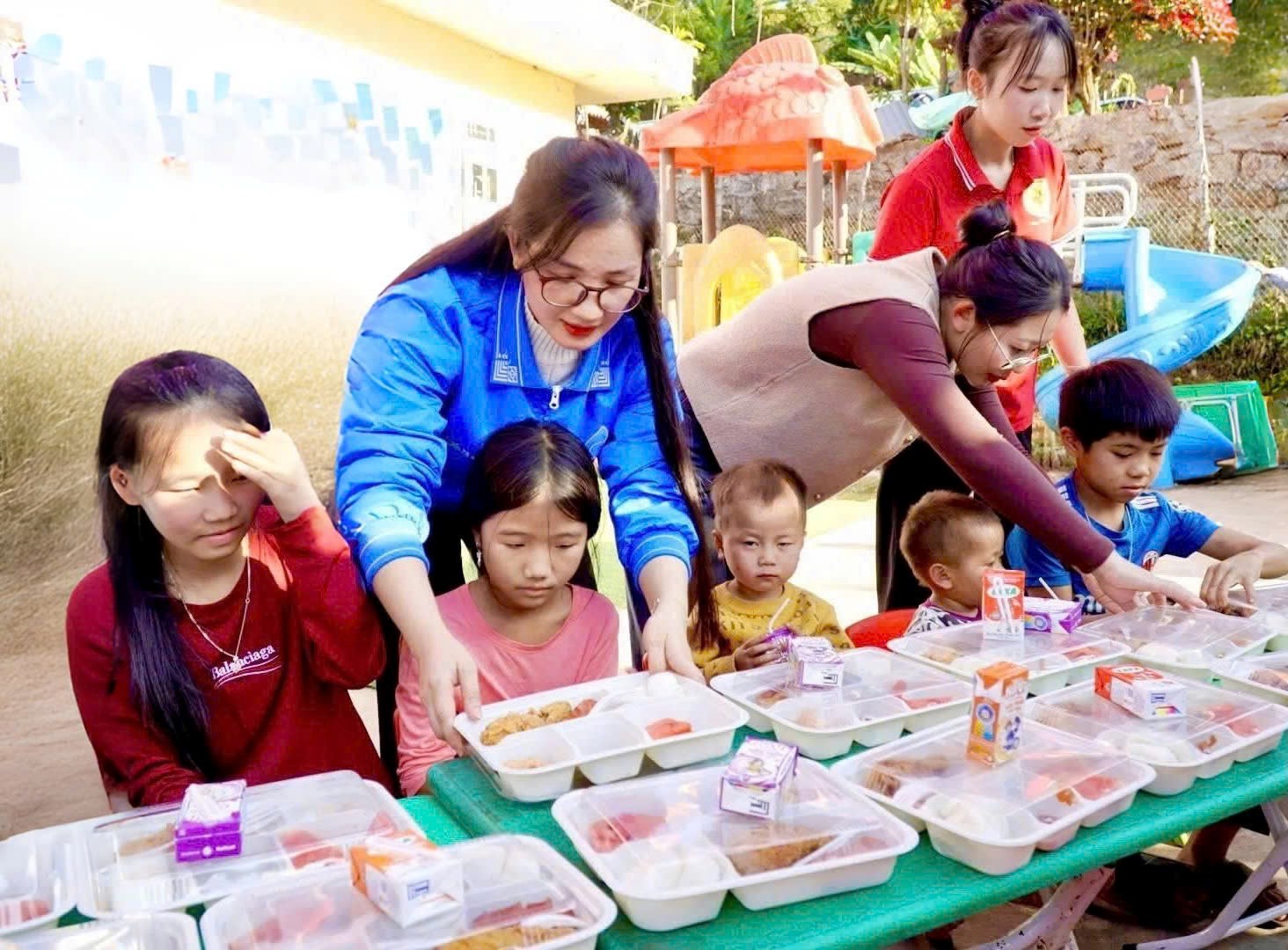
"Nurturing knowledge" in highland areas remains a top priority in social welfare policy. Alongside National Target Programs, the system of ethnic minority boarding and semi-boarding schools continues to serve as an "extended arm" in bringing literacy to the villages.
Entering 2025, education policy for disadvantaged areas has achieved a breakthrough with the Government’s issuance of Decree No. 238/2025/ND-CP (dated September 3, 2025). This decree supersedes previous regulations, providing improved support for study costs as well as tuition exemptions and reductions for ethnic minority students.
Thanks to synchronized investment, the quality of education has witnessed positive changes. By the end of the 2024–2025 academic year, the teaching staff has been significantly standardized, with the percentage of teachers meeting training qualification standards reaching 91.9% at the primary level, 94.8% at the lower secondary level, and 99.9% at the upper secondary level.
The network of specialized schools and classes has not only been maintained but also enhanced in terms of the quality of care and education. Tens of thousands of students from these schools have matured and returned to serve their homelands. However, challenges remain as facilities at certain school sites have yet to keep pace with reform requirements. This necessitates closer supervision to ensure that all students in highland areas benefit from the best possible educational environment.
VNA | 21-12-2025, 11:55

19-12-2025, 19:05
20-12-2025, 17:00
20-12-2025, 18:29
19-12-2025, 18:07
"Nurturing" knowledge in highland areas;
21-12-2025, 11:55
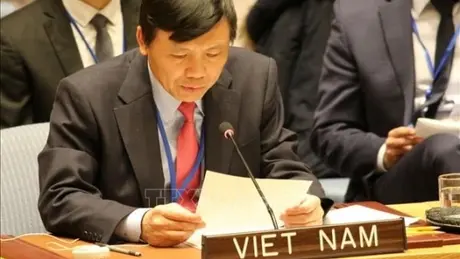
For many years, Human Rights Watch (HRW) has regularly released gloomy "reports" on Vietnam, painting a picture of "systematic violations" and "repression of dissenting voices." The issue lies not only in the content of the allegations but primarily in the methodology, sources, and approach, which are heavily influenced by political bias. To conduct a fair dialogue, these reports must be placed under scrutiny and compared against objective data and the vibrant reality of life within the country.;
21-12-2025, 09:57
Nhiều năm qua, Tổ chức Theo dõi Nhân quyền (Human Rights Watch – HRW) đều đặn tung ra các “bản phúc trình” u ám về Việt Nam, tô vẽ một bức tranh “vi phạm có hệ thống”, “đàn áp tiếng nói bất đồng”. Vấn đề không chỉ nằm ở nội dung cáo buộc, mà trước hết là ở phương pháp, nguồn tin và cách tiếp cận mang nặng định kiến chính trị. Muốn đối thoại sòng phẳng, cần đặt các báo cáo ấy lên bàn mổ xẻ, đối chiếu với dữ liệu khách quan và đời sống sinh động trong nước.;
21-12-2025, 09:54

Looking at social life today, Viet Nam is truly a "living museum of religions," characterized by the harmonious presence of Buddhism, Catholicism, Protestantism, Caodaism, Hoa Hao Buddhism, Islam, the worship of Mother Goddesses, the worship of Tutelary Gods, and other beliefs. A noteworthy characteristic is not merely the number of religions, but the fact that these religions coexist, accompany the nation, and actively participate in social security, charitable activities, environmental protection, and the building of cultural life at the grassroots level.;
21-12-2025, 09:51
Nhìn vào đời sống xã hội hiện nay, Việt Nam thực sự là một “bảo tàng tôn giáo sống” với sự hiện diện hòa hợp của Phật giáo, Công giáo, Tin lành, Cao Đài, Hòa Hảo, Hồi giáo, tín ngưỡng thờ Mẫu, thờ Thành hoàng… Đặc điểm đáng chú ý không phải là có bao nhiêu tôn giáo, mà là việc các tôn giáo cùng chung sống, đồng hành với dân tộc, tham gia các hoạt động an sinh xã hội, từ thiện, bảo vệ môi trường, xây dựng đời sống văn hóa ở cơ sở.;
21-12-2025, 09:45
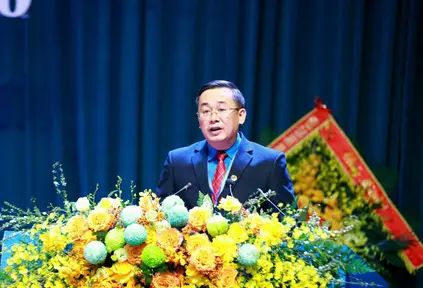
Ngày 20/12, Liên đoàn Lao động tỉnh Bắc Ninh tổ chức Đại hội Công đoàn lần thứ I, nhiệm kỳ 2025 - 2030 với chủ đề: "Nâng cao năng lực đại diện, chăm lo, bảo vệ quyền, lợi ích hợp pháp, chính đáng cho người lao động; tiếp tục xây dựng đội ngũ công nhân, người lao động Bắc Ninh có trình độ, kỹ năng, tác phong công nghiệp, đáp ứng yêu cầu phát triển; góp phần xây dựng Bắc Ninh trở thành thành phố trực thuộc Trung ương trước năm 2030".;
20-12-2025, 22:12